When your AC or heating system stops working properly, the cause isn’t always obvious. Problems can involve drainage, electrical components, airflow, or refrigerant. Here are six common HVAC issues homeowners may encounter, along with signs to watch for and when to contact a technician.
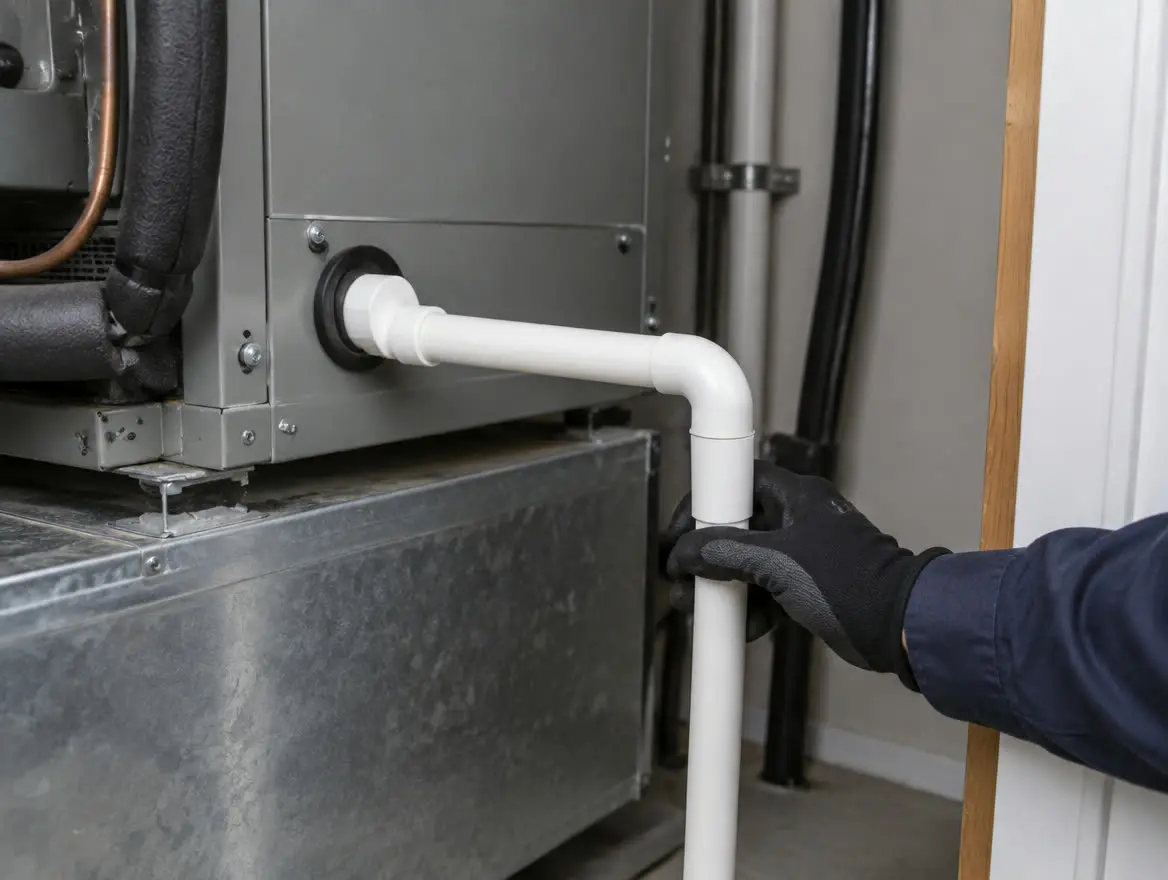
Clogged Drain Line
Many air conditioning systems use a condensate drain to remove moisture collected during cooling. If the line becomes blocked, water may back up, trigger a safety shutoff, or leak near the equipment. Persistent drainage problems should be inspected before they cause additional damage.
Weak Capacitor
Certain HVAC motors rely on capacitors to help start or run properly. When a capacitor begins to fail, the equipment may struggle to start, make unusual noises, or stop operating as expected. A qualified technician can test the component and determine whether replacement is needed.
Capacitors can retain an electrical charge even after power is disconnected, so this is not a do-it-yourself repair.
Faulty Circuit Board
Modern HVAC systems use electronic control boards to manage various functions. A faulty board may cause intermittent operation, prevent equipment from starting, or interfere with heating and cooling controls. Similar symptoms can have other causes, so diagnosis is important before replacing the board.
Failed Motor
Air conditioning systems rely on motors to move air through the home and around outdoor equipment. When a motor fails, you may notice weak airflow, unusual sounds, or a system that stops cooling effectively. A technician can identify whether the motor or another component is responsible.
Refrigerant Leaks
Air conditioning systems circulate refrigerant through a sealed circuit. If a leak develops, the system may lose cooling capacity or stop operating properly. Refrigerant leaks require professional evaluation. A properly certified technician can determine whether a repair is practical and what steps are needed to restore operation.
Refrigerant handling is not a do-it-yourself repair.
General Cleanliness
Dirty filters, blocked airflow, and debris around HVAC equipment can interfere with normal system operation. Regular filter changes and appropriate maintenance may help reduce preventable issues. If your system repeatedly freezes, overheats, or struggles to maintain temperature, have it evaluated by a technician.
What Can You Check Before Calling?
If it’s safe to do so, check your thermostat settings, inspect your air filter, and make sure supply vents aren’t blocked. You can also look for visible water around your indoor equipment.
Avoid opening electrical compartments, handling refrigerant, or attempting internal component repairs. If you notice burning smells, smoke, or another immediate hazard, stop using the equipment and seek appropriate assistance.
If your system isn’t working properly, a technician can diagnose the cause. Learn more about AC repair and heater repair.